Various Skin Problems that are Treatable/Curable by Doc's Medicine;
Skin Problems? Is your skin itchy, oozing, or breaking out?
Moles, psoriasis, hives, eczema, and recently associated Covid-19 coronavirus rashes are just a few of the more than 3,000 skin disorders known to dermatology. Changes in color or texture can result from inflammation, infection, or allergic reactions anywhere on the body.
Some skin conditions can be minor, temporary, and easily treated — while others can be very serious, and even life-threatening.
Read on to see signs and symptoms of the most common skin disorders and learn how to identify them.
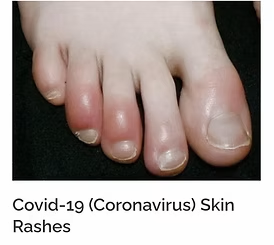
Covid-19 (Coronavirus) Skin Rashes
Skin rashes have been associated with COVID-19 infection. Much like other viral diseases such as HIV and bacterial diseases like syphilis, COVID-19 rashes can take many different forms.
One study from Spain identified five patterns of COVID-19 rash. The most common type was a “macropapular rash.” These rashes feature both small, flat discolorations (“macules”) and small, elevated lesions (“papule”). These rashes are associated with more severe COVID-19 infection, as 2% of those who got them in the Spain study reportedly died from the illness.
Other rashes associated with COVID-19 include thickened lesions developing on the heels of the feet, lesions that resemble chickenpox, and rashes that resemble those seen with dengue fever.
Some dermatologists have reported cases of so-called “COVID toe in both adults and children. These lesions may be reddish, elevated lesions that flatten after about a week. Some of the patients found their COVID toe rashes itchy, and others did not. Some found it painful when their toes were pressed, and others did not.
Shingles (Herpes Zoster)
Shingles, also known as herpes zoster, is a skin disease caused by the return of a chickenpox infection from latently infected nerve cells in the spinal cord or brain.
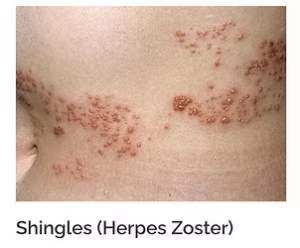
It begins as a painful sensation which is often mistaken for a musculoskeletal injury or even a heart attack. It is soon followed within one or two days by a red, blistering unilateral (one-sided) rash distributed to the skin supplied by a sensory nerve (a dermatome). Zoster tends to occur most often in the elderly and can be largely prevented or made less severe with a vaccination. Treatment with antiviral drugs within 48 hours of the onset of the eruption may limit the development of a persistent, severe pain (neuralgia) at the site of the eruption.
Acanthosis Nigricans
You may try to scrub off these dark, thick, velvety patches of skin, especially if they itch and smell bad. But it won’t work.

Elbows, knees, knuckles, and armpits are typical places to get them. The condition won’t hurt you, but it can be a sign of other problems like obesity, diabetes, hormone problems, a drug reaction, or even cancer. Talk to your doctor.
Angiomas - ATOPIC DERMATITIS RASHES
Angiomas What Is It?
Angiomas are growths of small blood vessels.
They come in many different shapes and types. Some of the more typical forms include cherry angiomas, which are caused by aging.

These tiny papules have a bright cherry-red appearance, hence the name. Another commonplace form is the spider angioma, which grows just below the fleshy surface of your body. Spider angioma symptoms may include a red dot in the center of the growth, along with reddish fingers that stretch outward from their centers.
Age or Liver Spots
Liver spots (also called age spots) are a common skin condition that typically appears on the face and forearms of older individuals.

Although these flat brown spots cause no symptoms, patients detest them because of their unsightly appearance. They can be treated in a variety of ways, but treatment is not medically necessary.
Acne
Acne vulgaris is usually a noninfectious eruption of papules and pustules (pus-filled blisters) on the face and occasionally on the chest and back.

Acne occurs in all teenagers as they progress through puberty. Symptoms like comedones (blackheads) and inflammatory papules and pustules all appear simultaneously. Despite rumors to the contrary, acne is not caused by dirty skin. Instead, it is mediated by hormones that begin to circulate during puberty and excess sebum or oil production. The condition generally resolves around the age of 20-30 but may produce scarring if severe and left untreated.
Argyria
The bluish-gray skin color comes from tiny bits of silver that build up in your tissues.

Colloidal silver, which some people take as a dietary supplement, can cause it, and it’s usually permanent. Sunshine might make things worse.
There’s no evidence colloidal silver has any health benefits, and it may also slow absorption of medicines like thyroxine and antibiotics.
Athlete's Foot
One of the most commonplace skin conditions is athlete’s foot.

And one of the most common causes of athlete’s foot is an infection of the dead superficial layer of the skin called the stratum corneum by a fungal mold (tinea pedis) called a dermatophyte.
Bruising
It’s normal to get a bruise when you bump into a table or suffer some other injury. Bruises occur when blood vessels under the skin are damaged and leak blood, leading to a red, blue, brown, or black mark.

Older people tend to bruise more easily than those who are younger. That’s due to skin thinning with age and a loss of fat, both of which make people bruise more easily.
Most bruises are minor injuries and are not a cause for concern. However, sometimes bruises may point to something more serious. Certain medications like blood thinners may increase the risk of bruising. If you develop large bruises, numerous bruises, or start bleeding more than usual, alert your doctor.
Boils
What Is It?
Boils are painful lesions caused by bacterial infection.

They are pus-filled and typically firm. They commonly appear in the groin, buttocks, and waist. When they form in clusters, boils are called carbuncles.
Blau Syndrome
It usually starts before age 4 with a scaly rash on your trunk, arms, or legs, sometimes with hard bumps you can feel under your skin.

This genetic disease makes your immune system overreact with too much inflammation. Many people with it also have arthritis and eye problems, and some get kidney disease. If neither of your parents have it, you may have a version called early-onset sarcoidosis.
Cellulitis (Erysipelas)
Caused by a bacterial infection, cellulitis triggers skin redness, swelling, and tenderness. It makes your skin feel hot, and the infection spreads rapidly.
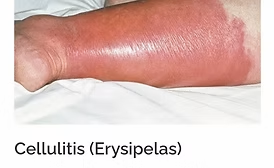
Some describe the skin as having the dimples of an orange peel. Some people have confusion, fever, and an abnormally fast heartbeat hours before the skin symptoms develop. It usually occurs on the arms or legs.
This can be a serious skin condition and can lead to blood poisoning, gangrene, and other life-threatening conditions like organ infection.
Doctors treat cellulitis using antibiotics.
Cherry Angioma
Cherry angiomas are benign red growths that occur due to proliferating cells found inside the lining of blood vessels (endothelial cells).

They occur most commonly in people over the age of 40. Cherry angiomas tend to run in families. You can get them anywhere, but the face, scalp, trunk, and lips are the most common areas where these occur.
Cherry angiomas are benign, but they may resemble other skin conditions that are benign or cancerous. See your dermatologist who can diagnose skin growths. You don’t need to remove cherry angiomas, but if they bother you, the doctor can remove them with cryotherapy (freezing), laser therapy, or electrosurgery (burning).
Cherry Angioma
Cherry angiomas are benign red growths that occur due to proliferating cells found inside the lining of blood vessels (endothelial cells).
They occur most commonly in people over the age of 40. Cherry angiomas tend to run in families. You can get them anywhere, but the face, scalp, trunk, and lips are the most common areas where these occur.
Cherry angiomas are benign, but they may resemble other skin conditions that are benign or cancerous. See your dermatologist who can diagnose skin growths. You don’t need to remove cherry angiomas, but if they bother you, the doctor can remove them with cryotherapy (freezing), laser therapy, or electrosurgery (burning).
Candida (Fungal Yeast Infection)
Your body hosts Candida yeast naturally in your gut, beginning soon after you are first born.

Many people have it on their skin, too, and it often lives in the mouth, throat, and vagina. It usually causes no trouble. But sometimes this yeast can set in as a skin infection, particularly in skin folds such as armpits. These infections are sometimes difficult to treat, as more and more Candida infections are resistant to common antifungal medicines.
Chromhidrosis
Yellow, green, blue, brown, or black sweat? Yes!
People with this condition have sweat glands that make too much lipofuscin (a pigment in human cells) or the lipofuscin is chemically different than normal.

Colored sweat can appear in underarms, on the face, or in the dark circle around nipples. To stop it, you need to shut down the sweat glands. That could mean you apply a cream every day or get regular Botox shots.
Chicken Pox
What is chicken pox? This viral infection causes itchy, red spots.

Your face, chest, and back are the first places these spots appear before developing all over your body. It is most common in children.
How do you get it? Having close contact with an infected person is the main way people catch chicken pox.
Cold Sores (Fever Blisters)
Herpes labialis (cold sore) is caused by the herpes simplex virus. Cold sores commonly appear on the edge of the lip.

This virus exists in a dormant state in the spinal cord nerve cells, and after certain environmental triggers like a sunburn or a cold, the virus is induced to travel along a peripheral nerve to the same skin site over and over again. The eruption is self-limited
Contact Dermatitis
Contact dermatitis is a red, itchy, painful rash that results when you come into contact with a substance that is allergic or irritating to the skin. There are two forms of contact dermatitis -allergic and irritant.

Irritant contact dermatitis is the more common form. The rash comes on when you come into contact with certain plants, shampoos, rubbing alcohol, bleach, detergents, and other substances. The skin reaction is nonallergic.
Allergic contact dermatitis is the less common form of the skin condition. Common triggers include poisonous plants, personal care products, nickel found in jewelry, and other substances.
Treatment for contact dermatitis may include avoiding triggers, washing and moisturizing the skin, and applying a barrier cream or lotion to protect your skin, especially when you’re outdoors.
Cysts
What Is It?
If you spot a small, round lump or bulge beneath your epidermis that you can move around easily, you may be dealing with a cyst.
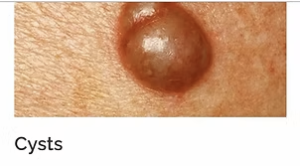
Cysts tend to be either whitish-yellow or the same as your flesh tone. They usually stay about the same size, although they may grow slightly. When infected, cysts become boils, which are described later. Cysts are common. They can either be filled with pus, air, fluid, or other material. Many things can cause a cyst, including popped blood vessels, cell defects, blocked ducts, and parasites.
Is it Dangerous?
Most cysts are benign. Some, however, may indicate cancer. Even when benign, untreated cysts can cause serious problems, including blood poisoning.
What Should I Do?
Any unusual lump requires examination by a doctor to determine what kind of skin disorder you have. Treatments vary depending on the type of cyst. Most treatments involve surgical removal by a dermatologist or other physician.
DRESS Syndrome
Drug reaction with eosinophilia and systemic symptoms (DRESS) is a rare condition in which you’re very sensitive to a medication.

It can happen 2-8 weeks after you take the drug that triggered the reaction. Along with the skin symptoms, you may have a fever, feel sick, and have problems with your internal organs, such as your liver, kidneys, or lungs. The key to treatment is getting you off the medicine that caused the problem.
Epidermolytic Ichthyosis
Babies with the disease may be born with red, blistered, raw-looking skin that’s thick in places, injures easily, and gets inflamed.

Thick, hard scales form in rows on the skin – especially around creases of joints. A genetic test can tell for sure if you have the disease, which gets its name from the Greek word for “fish.” Treatment isn’t easy. Removing the scales often leaves skin fragile and prone to infection.
Erythropoietic Protoporphyria
People with this have changes (mutations) in their genes that make it hard for their body to process a light-sensitive chemical called protoporphyrin.

It builds up in the top layers of skin and reacts to light from the sun as well as other sources. Your skin might tingle, itch, or burn If you don’t cover up, it may blister and hurt intensely. Drugs, a type of vitamin A, and iron might help.
Fish Scale Disease
A slowdown of your skin’s natural shedding causes a buildup of a protein called keratin that leads to dry skin, a flaky scalp, small fish-like scales (especially on your elbows and lower legs), and deep, painful cracks.

Your skin may get darker, too. Ichthyosis vulgaris may be passed down from a parent or be related to an illness like cancer, thyroid disease, or HIV or AIDS. Living in a warm, humid place tends to make it better.
Eczema (Dermatitis)
Eczema (sometimes called “dermatitis”) is a genetic condition associated with itchy, dry skin.

It usually develops in early childhood with symptoms of a chronically itchy, weeping, oozing sores. Eczema tends to be found on arm creases opposite the elbow and on leg creases opposite the knee. Many eczema patients also have inhalant allergies such as asthma and hay fever. Eczema improves with age. Treatment involves applying emollients to wet skin and using topical steroids.
Types of Eczema: There are many types of eczema, and many types include the word “dermatitis” (in dermatology, dermatitis is another word for eczema). For instance, eczema types include stasis dermatitis and dyshidrotic eczema. A dermatologist can help you understand what type you have. Two of the most common types are:
Atopic dermatitis
Contact dermatitis
Folliculitis
What is folliculitis?

Folliculitis is an irritation of your hair follicles, which are microscopic sacs inside your skin that form each strand of hair. It causes tender, red bumps that may develop pus.

How do you get it? Your hair follicles can be irritated by many things, both infectious and noninfectious.
What Is It?
It could be shaving bumps. Folliculitis resembles acne pimples or crusty sores that won’t heal. But this condition is actually what results from the hair follicles becoming infected. The infection may be caused by a bacteria, yeast, fungus, parasite, or virus. It can also be caused by paraffin-based moisturizers, certain chemicals like coal tar, and topical steroids. Women often get this after shaving, waxing, or plucking leg hairs, or following electrolysis. Other names for the condition include pseudofolliculitis barbae, barber’s itch, razor bumps, folliculitis barbae traumatica, and scarring pseudofolliculitis of the beard. It is a common skin problem.
Is it Dangerous?
Although the site of folliculitis can be tender and itchy, it is otherwise harmless.
What Should I Do?
Treatment depends on the cause. Sometimes antibiotics are prescribed, taken either orally or topically. If the cause is shaving, stopping shaving for at least three months will allow the hair time to grow back in a healthy way.
Switching to an electric razor can help prevent folliculitis from reoccurring.
Elastoderma
In some spots, your body may make too much elastin, a protein that gives skin strength and flexibility.
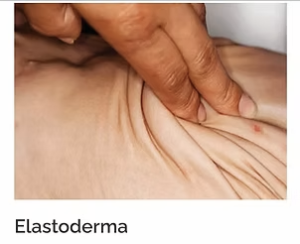
Your skin won’t spring back when stretched, and it sags and folds. It’s not clear why this happens. You usually see it in the neck, arms, or legs — especially around elbows and knees. Your doctor may cut away the loose skin, but the condition often returns.




DISCLAIMER: Reader assumes the responsibility to consult health care practitioners or do their own research regarding any products which claim to support and maintain health and general wellbeing and which concur with their beliefs and understranding. Regards, Doc's Medicine Team.